
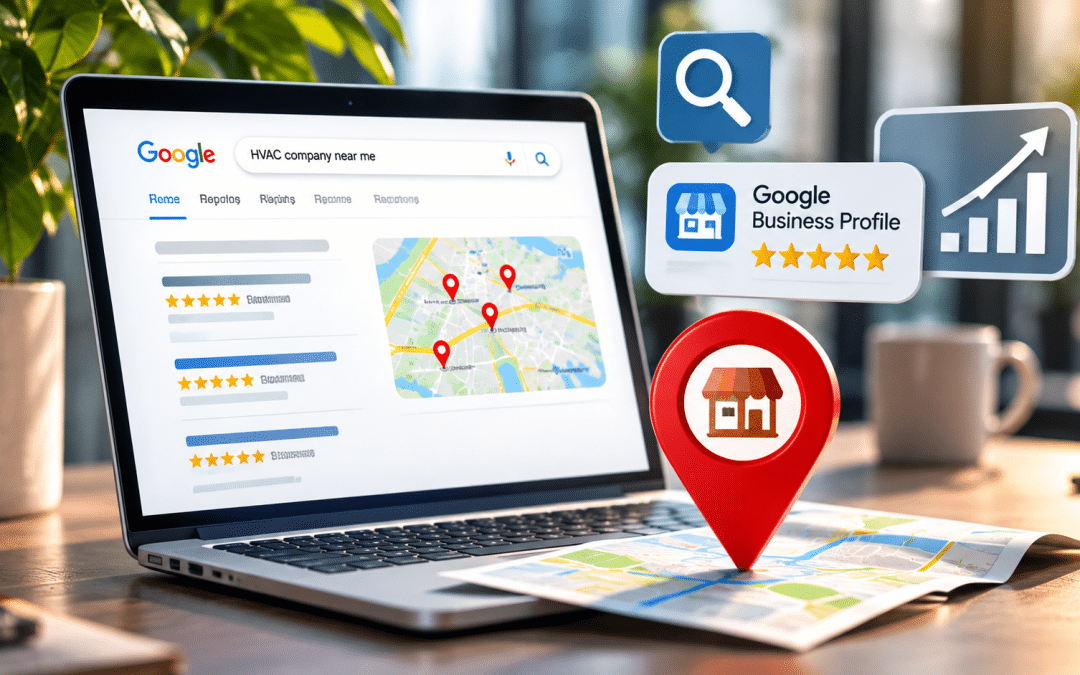
How to do local SEO for beginners?
For a beginner, local SEO starts with an accurate Google Business Profile, a clear website describing your services and service area, and genuine customer reviews. Add helpful answers to common questions, and consider educational videos when they suit your audience. No single activity guarantees a top local ranking.
Start with accurate business information
A customer should not have to guess what you do, where you serve, or how to contact you. Complete the eligible fields in Google Business Profile, choose appropriate categories, and make sure business details match your website. Post accurate hours and keep changes current. Google describes local visibility in terms of relevance, distance, and prominence, so accurate information is a practical starting point.
Make your website answer local questions
Create useful service pages explaining what the work involves, who it is for, and where the business actually operates. Use natural wording people search for rather than repeating a city name in every sentence. If you serve multiple areas, represent those areas accurately; do not manufacture storefronts or create near-duplicate pages solely to target locations. Clear titles and mobile-readable pages help visitors understand the offer.
Ask for genuine reviews without pressure
Customer feedback can help others evaluate a business. Request honest reviews from real customers, respond professionally when appropriate, and never buy reviews or offer incentives that violate platform policies. The objective is credible feedback, not a guaranteed star rating. Reviews are one element of a broader local presence, and a single new review cannot promise a specific Maps position.
Use helpful content where it fits
A short video answering a recurring customer question can help prospects before they call. A written FAQ can do the same job for someone who prefers reading. Choose topics based on real questions and connect the information to an accurate service page. Educational videos can support brand discovery, but Google has not established YouTube publishing as a direct local ranking factor.
Myth: three quick tasks guarantee first place
Completing a profile, collecting reviews, and uploading videos are useful activities, not a ranking formula. Competition, search relevance, distance, and business prominence differ by query and location. A beginner does not need to master every technical detail immediately, but should measure progress and fix inaccuracies before adding more channels. A steady, credible approach beats chasing an unsupported guarantee.
Putting the approach into practice
For a business assessing “How to do local SEO for beginners?”, a productive discussion begins with its actual offerings, the searches that indicate customer interest, and the pages or profiles customers currently encounter. Identify the decision a visitor is trying to make. Then check whether the information is accurate, understandable, and supported by the organization’s experience. A national marketing strategy should not pretend every local query works the same way. SO Good serves clients Nationwide, so a relevant SEO plan must account for different search contexts without inventing local offices or claiming the same competitive conditions in every market. The work also needs a clear outcome: helping someone find a useful answer and decide what to do next.
Choosing and measuring the next improvement
An improvement is easier to evaluate when it addresses a documented limitation. If important pages are not indexed, accessibility should be investigated before producing more copy. If pages attract searchers but fail to explain the service, clarity and relevance may deserve attention. If a business already has strong written information, a concise educational video could offer a useful additional format. Compare relevant search queries, visibility, and qualified inquiries over time. Avoid treating search impressions, video views, and customer conversions as interchangeable. These measurements answer different questions about the customer journey.
Another useful checkpoint is whether the content gives customers enough information to take the right next step. A page can receive attention without attracting suitable inquiries. Compare the language of real customer questions with the page’s headline, opening answer, and service explanation. Make factual revisions where necessary rather than creating a different page for every slight wording variation. For a Nationwide business, review differences among actual customer segments before assuming one national keyword represents the same intent everywhere. Keep any comparisons grounded in what the organization can verify.
FAQ
Why does this matter for a business?
It helps customers find accurate answers and understand whether a service fits their needs. The right priority depends on audience, website condition, and search intent.
What should I check first?
Start with your actual business information, important pages, and relevant search queries. Investigate specific gaps before investing in unrelated tactics.
Will this guarantee a higher Google ranking?
No. Search rankings and AI features depend on many factors. A useful practice can improve the customer experience without guaranteeing a particular search placement.
How can I tell whether my approach is helping?
Compare relevant search visibility with qualified inquiries and business outcomes over time. Look for patterns, and avoid drawing conclusions from one metric.
How to do local SEO for beginners?
For a beginner, local SEO starts with an accurate Google Business Profile, a clear website describing your services and service area, and genuine customer reviews. Add helpful answers to common questions, and consider educational videos when they suit your audience. No single activity guarantees a top local ranking.
Conclusion
The answer to “How to do local SEO for beginners?” is best understood through accurate information, relevant content, and decisions supported by actual performance. Search optimization remains a process of helping people reach dependable answers, not a guaranteed shortcut to a particular placement.