
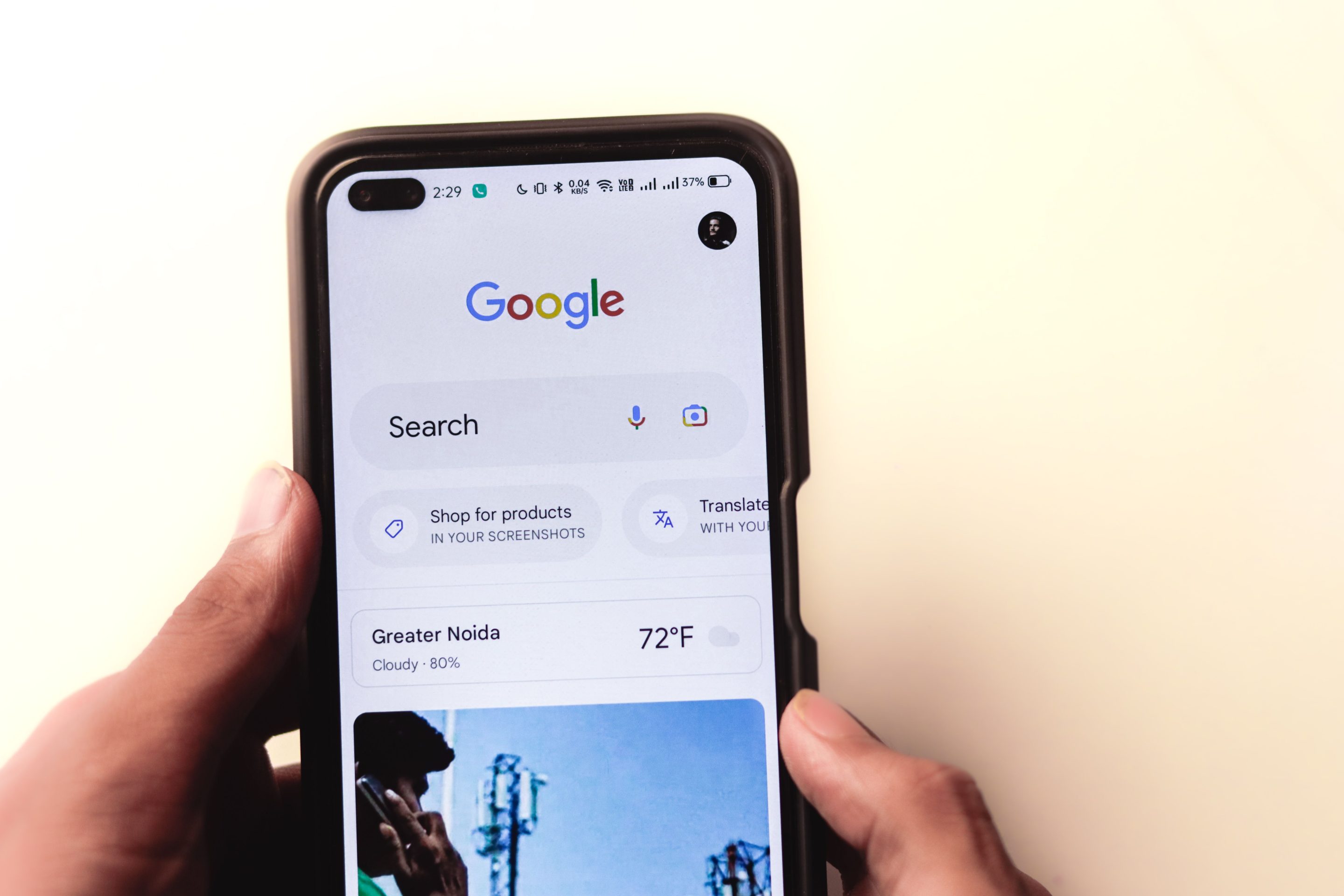
How to rank higher on Google?
To rank higher on Google, improve the quality, relevance, accessibility, and authority of your search presence. Create useful content that satisfies search intent, maintain a crawlable and well-organized website, and keep business information accurate. For Nationwide visibility, reinforce website SEO with educational videos, authentic reviews, Google Business Profile activity, and consistent brand signals.
What Helps a Website Rank Higher on Google?
Google rankings depend on how clearly and reliably a website meets a searcher’s needs. A page should provide a relevant answer, be accessible to search engines, and demonstrate that the business is a credible source for the subject.
Effective SEO combines several connected areas:
- Content quality: Pages should provide clear, substantial information rather than vague or repetitive statements.
- Search relevance: Each page should address a specific topic and reflect what users intend to find.
- Website accessibility: Search engines need to be able to crawl, understand, and organize the site’s pages.
- Site structure: Logical navigation and clear page relationships help visitors and search engines find important information.
- Business accuracy: Names, services, locations, and contact details should remain accurate wherever the company appears.
- Authority signals: Helpful content, authentic reviews, reputable mentions, and a consistent brand presence can strengthen credibility.
These elements work together. Strong content may not perform as intended if search engines cannot access it, while a technically organized website still needs useful information that deserves visibility.
How Does Search Intent Influence Google Rankings?
Search intent describes what someone wants to accomplish with a query. A person may be looking for an explanation, comparing possible solutions, researching a service, or preparing to contact a company. A page is more useful when its content and format correspond with that goal.
For example, a user searching for an answer to a specific marketing question is likely to benefit from a direct response followed by supporting explanations, examples, and related FAQs. A broad page that mentions the subject without answering the question may be less relevant, even if it uses the target keyword repeatedly.
Businesses should therefore develop pages around meaningful customer questions rather than treating keywords as isolated phrases. The title, opening answer, headings, and body content should all contribute to the same subject. This focused structure helps users identify the answer quickly while giving search engines sufficient context to understand the page.
Educational content can also address related questions without drifting away from the central topic. This creates a more complete resource and allows a business to demonstrate practical knowledge in its area of expertise.
How Do Technical SEO and Website Organization Support Visibility?
Technical SEO helps search engines reach, process, and understand website content. Important pages should be crawlable, load reliably, and fit within a logical site structure. Navigation should make it easy for visitors to move between primary services, supporting resources, and relevant business information.
Clear organization is especially important as a website grows. Publishing many pages without a coherent structure can make related content difficult to find. Organizing pages by topic and connecting closely related resources gives both users and search engines a clearer path through the site.
Accessibility also includes the experience provided on different devices. Content should remain readable and functional for visitors using mobile phones, tablets, and desktop computers. Technical issues that prevent pages from displaying correctly or make important content inaccessible can limit the value of otherwise strong material.
Improving rankings is therefore not only a writing project. It requires coordination between content, site structure, technical performance, and ongoing quality control.
Myth: Publishing More Content Automatically Produces Higher Rankings
A common myth is that frequently publishing large volumes of content will automatically improve Google rankings. Quantity alone does not make a search presence useful or authoritative.
Pages that repeat existing information, target the same intent, or offer limited value may compete with one another instead of strengthening the website. A smaller collection of focused, well-organized resources can provide a clearer experience than numerous overlapping pages.
The stronger approach is to publish content with a defined purpose. Each page should answer a real question, support a relevant service, or add meaningful depth to an established topic. Existing pages should also be reviewed for accuracy, usefulness, and alignment with current business information.
In other words, ranking higher requires relevant, accessible, and trustworthy content—not simply more content.
How Can Businesses Strengthen Nationwide Search Visibility?
For Nationwide visibility, website SEO should be supported by consistent signals beyond the website. Educational videos can present useful information in another format, while authentic customer reviews can reflect genuine experiences with the company. Relevant platform activity can also help establish a recognizable and consistent brand presence.
A Google Business Profile may contribute additional business information and customer engagement signals where it is appropriate for the company’s operations. Profile details should match the information presented on the website and other legitimate platforms.
Consistency does not mean posting identical material everywhere. It means maintaining accurate business details, a recognizable message, and reliable expertise across the places where potential customers encounter the brand. These supporting signals work best as part of a coordinated SEO strategy rather than as substitutes for a useful, technically accessible website.
FAQ
How long does it take to rank higher on Google?
There is no universal ranking timeline. Progress depends on competition, website condition, content relevance, technical accessibility, authority signals, and how consistently the overall search presence is improved.
Does adding more keywords improve Google rankings?
Not automatically. Keywords should appear naturally within content that satisfies search intent. Repeating terms without adding useful information can reduce clarity and does not replace quality or relevance.
Can videos support a website’s SEO strategy?
Yes. Educational videos can answer customer questions, reinforce subject expertise, and provide another way for audiences to engage with the brand when coordinated with relevant website content.
Are customer reviews important for search visibility?
Authentic reviews can support trust and strengthen a business’s broader online presence. They should reflect genuine customer experiences and accompany accurate listings, useful content, and consistent business information.
How to rank higher on Google?
To rank higher on Google, improve the quality, relevance, accessibility, and authority of your search presence. Create useful content that matches search intent, keep the website crawlable and well organized, and maintain accurate business information. For Nationwide visibility, support website SEO with Google Business Profile, educational video, authentic reviews, and consistent brand signals across relevant platforms.
Conclusion
Ranking higher on Google requires a coordinated approach to content quality, search relevance, technical accessibility, website organization, accurate business information, and authority. Nationwide businesses can reinforce these foundations through educational video, authentic reviews, Google Business Profile activity, and consistent brand signals on relevant platforms.