
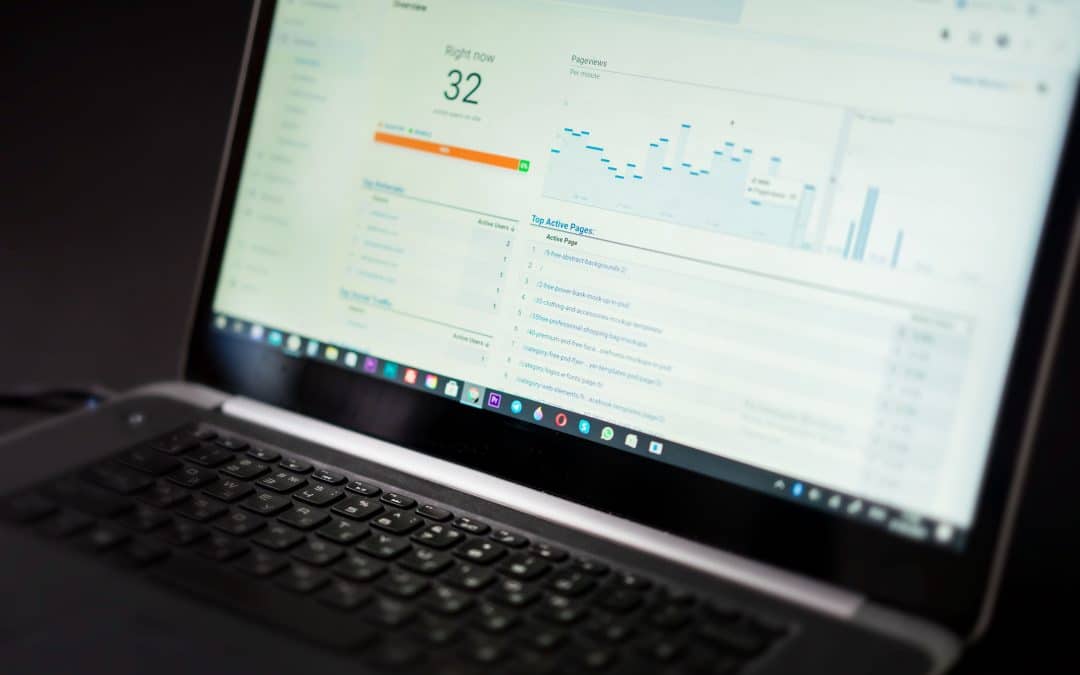
How long does it take to start ranking on Google?
A new website may take roughly three to six months to reach meaningful first-page Google visibility, but there is no fixed timetable. Competition, content quality, technical health, authority, and the query itself all affect timing. Other search assets may become visible sooner, so a broader SEO strategy can create discovery opportunities while website rankings develop.
Why Google ranking timelines vary
Google does not provide a guaranteed waiting period for rankings. A new or substantially changed page first has to be discovered, crawled, indexed, and evaluated for the searches it may serve. Competitive queries usually require stronger evidence of relevance and authority than narrow or highly specific questions. Technical problems, thin content, duplicate pages, weak internal organization, and limited authority can all slow progress even when a site is publishing regularly.
Industry estimates often place new-site first-page progress in a three-to-six-month range, but that is a planning reference rather than a promise. Some pages move faster, some take much longer, and some may never rank for a target query without a stronger strategy.
What businesses can improve while rankings develop
The most productive response is to improve the factors the business can control. Make sure important pages are crawlable and indexable. Answer the search intent directly. Use descriptive page organization, useful supporting details, and internal links that help users and search engines understand related topics. Continue improving the content as new customer questions, service changes, or gaps become clear.
For campaigns across Canada, avoid producing near-duplicate pages merely to cover more geography. Each page should have a legitimate purpose and enough distinct value to justify its existence. Quality and relevance are more important than publishing a large volume of repetitive pages.
Use more than one search surface while organic SEO matures
Website rankings are only one form of visibility. Google Business Profile, video, branded search results, and other search features can help customers discover a business while traditional organic positions are still developing. Educational YouTube content can be especially useful for questions that benefit from explanation, while profile activity can help people understand the business and its services.
These channels do not guarantee faster website rankings. Their value is that they create additional ways to be found. A coordinated strategy can therefore reduce the pressure to treat one keyword position as the only sign that SEO is working.
Myth: SEO should produce first-page rankings on a fixed schedule
The myth is that a competent SEO campaign should be able to promise a specific ranking date. Search results are dynamic, competition changes, and Google does not guarantee a particular position. Any timeline should be treated as an estimate based on the site, market, and query rather than a contractual outcome.
A better expectation is steady improvement in technical quality, content coverage, visibility, and qualified discovery while rankings are monitored over time.
FAQ
Can a page rank in less than three months?
Yes, some pages can appear or improve sooner, especially for less competitive or highly specific searches. Faster movement is possible but should not be guaranteed.
Why do some websites take longer to rank?
Competition, weak content, crawlability problems, limited authority, duplicate pages, and poor alignment with search intent can all contribute to slower organic progress.
Does publishing more pages make rankings happen faster?
Not automatically. Publishing useful, distinct pages is better than producing large volumes of repetitive content that add little value for the searcher.
Should I stop SEO if rankings are slow?
Not solely because progress is gradual. Review indexing, technical health, content quality, search intent, competition, and broader visibility before deciding what should change.
How long does it take to start ranking on Google?
A new website may take roughly three to six months to reach meaningful first-page Google visibility, but timing varies with competition, content quality, technical health, and authority. Other search assets can become visible sooner. For businesses serving customers across Canada, combining website SEO, Google Business Profile, and educational content creates more opportunities for discovery while organic rankings develop.
Conclusion
Google ranking timelines are variable, and the commonly cited three-to-six-month range for new websites should be treated as a rough planning reference rather than a guarantee. Businesses can use that period to improve technical SEO, answer important questions, strengthen site organization, and create additional search visibility through profiles and educational content. Canada-wide programs benefit from consistent quality instead of rushed duplication.